Online Bingo Auto-Daub: How to Use It Without Missing the Game
Auto-daub can mark called numbers on your online bingo cards for you, which is handy when several cards are in play. But automation does not tell you whether a card has won, and it may not work identically in every game. A simple routine—check the settings, watch the calls, then verify any alert—helps you use the feature without relying on it blindly.
What auto-daub does—and what it does not do
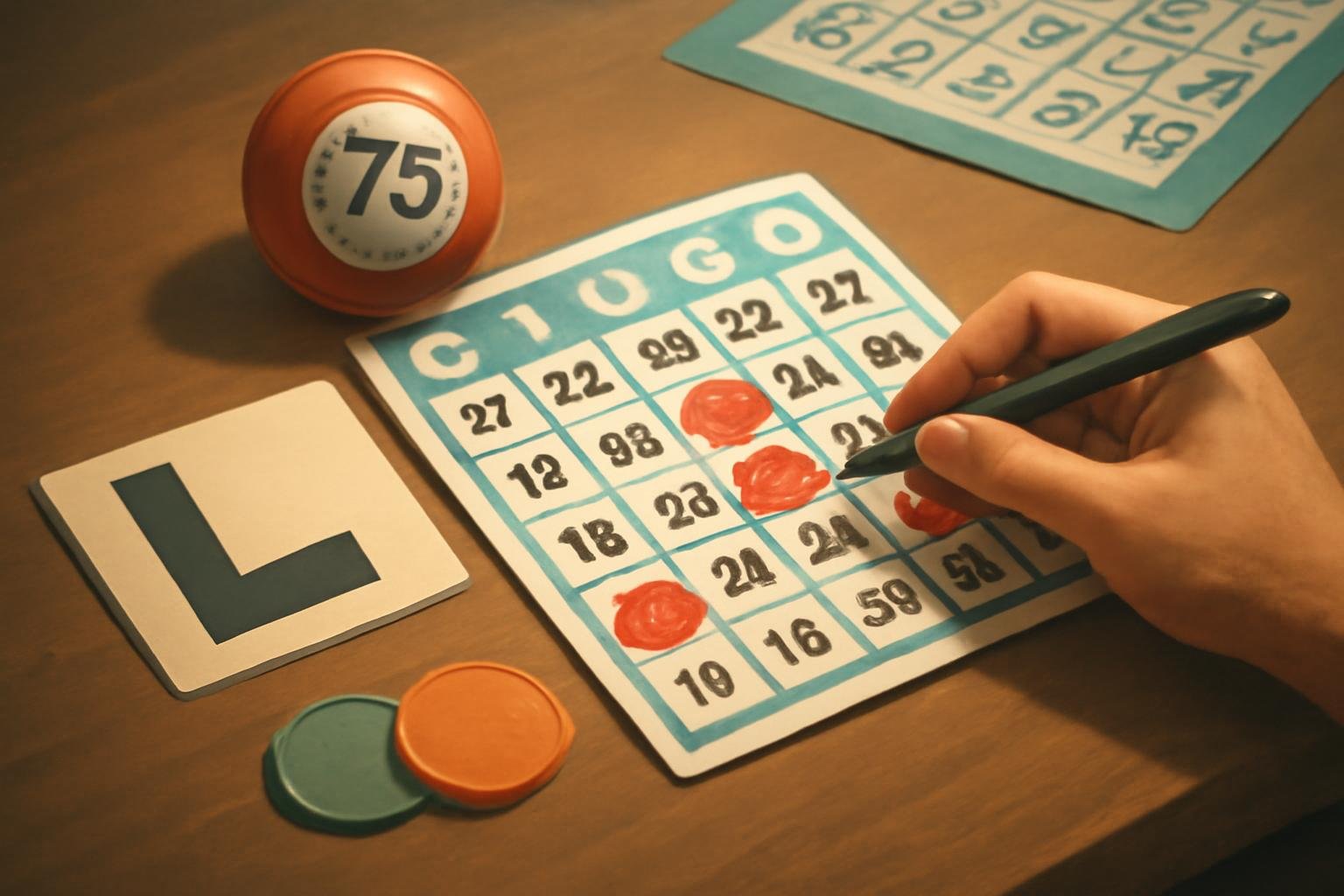
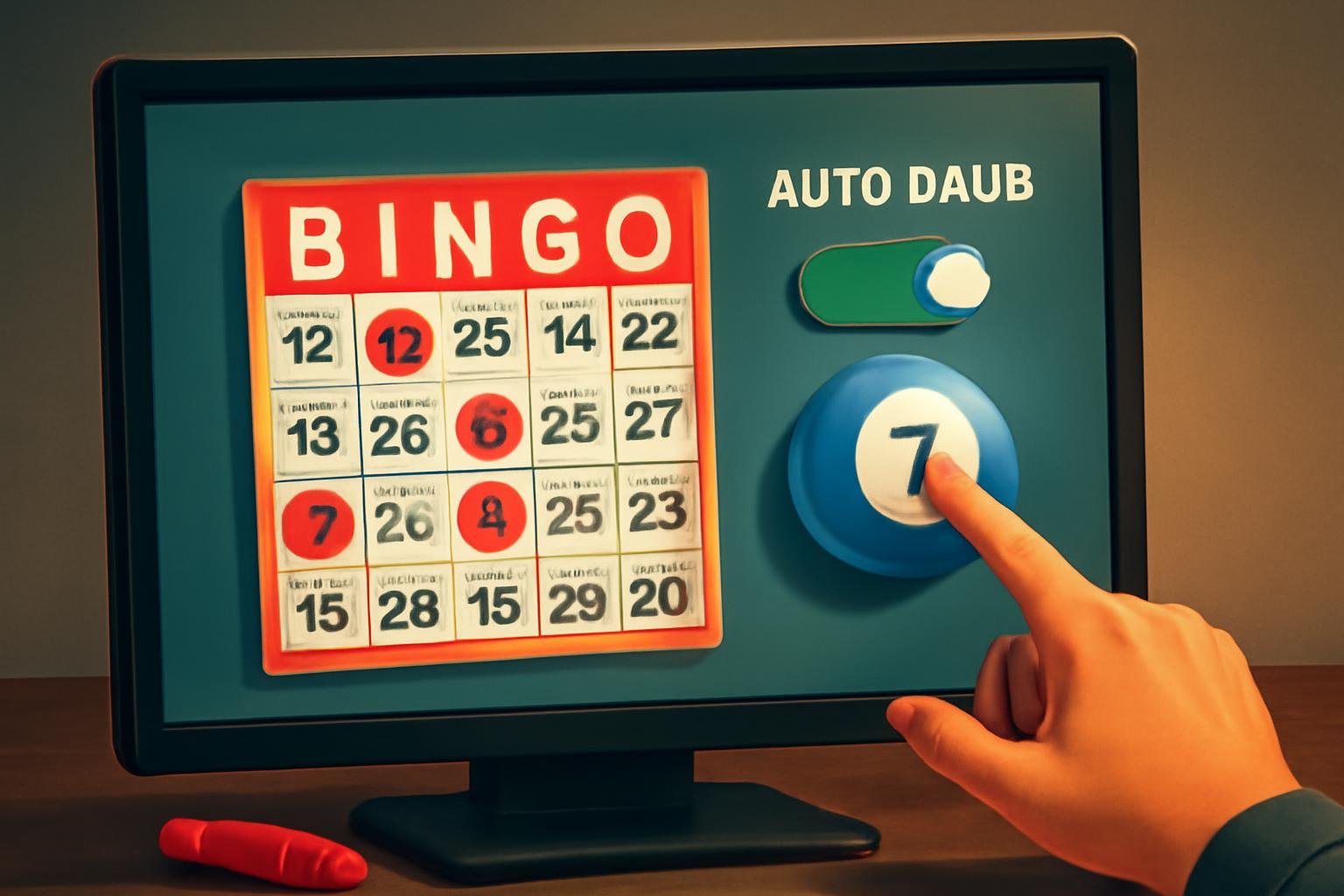
In a game with auto-daub enabled, the software marks a number on a card when that number is called. Manual daubing requires you to select the matching number yourself. Either way, the game’s rules determine which pattern or completion counts as a win.
Auto-daub is a marking aid, not a strategy for improving the chance of a winning card. It cannot change the numbers printed on your cards or make a draw more favorable. It also does not necessarily mean every important step is automatic: you may still need to make a claim, acknowledge a prompt, or wait for the game to confirm the result.
Before the first number is called
- Check whether it is enabled. Look for an auto-daub control in the game screen or settings. Do not assume it is on just because it was available in another room.
- Read the game’s claim rules. Find out whether a win is detected automatically or whether you must press a claim button. The exact process can differ between games.
- Review the cards on screen. Confirm how many you have selected and that the numbers are legible. If the interface lets you change card size or layout, make the display easy to scan.
- Understand the pattern. Check what the game is asking players to complete. For a refresher on checking a 75-ball pattern, see this guide to reading bingo patterns.
These checks matter most when joining a game in a hurry. A quick glance at the controls is more useful than assuming the room will behave exactly like one you played before.
During play: let it mark, but keep track
With auto-daub on, follow the called numbers rather than staring only at the marked cards. This makes it easier to notice a delayed display, a missed call, or a game prompt that needs your attention. If several cards are active, glance across them after a call instead of trying to inspect every square continuously.
For example, imagine the pattern is a line and your card appears to have completed one. Treat that as a reason to check, not as proof of a win. Confirm that the relevant numbers were called and that the line matches the pattern shown for that round. A card may look close to complete while still missing a required square.
If the marks seem out of step with the calls, pause and inspect the screen. Depending on the game, you may be able to switch to manual marking or review the call history. If you cannot tell whether the card is being updated correctly, follow the room’s help instructions rather than guessing. For a broader introduction to the online format, read more about online bingo.
When manual daubing may suit you better
Manual marking can help you stay actively involved, especially when playing a small number of cards at a relaxed pace. It also makes each call a deliberate check. The trade-off is that you need to keep up: a missed tap can leave your card display incomplete, even though the underlying card remains part of the game.
Auto-daub may be more convenient when you have several cards to follow, but convenience is not the same as closer attention. Choose the method you can manage comfortably. Avoid adding more cards just because the software can mark them for you; more cards can make it harder to follow calls and patterns.
Verify alerts and keep sessions manageable
If the game displays a possible-win message, check the card against the called numbers and the stated pattern, then use the required claim process promptly. Do not dismiss a prompt before reading it. If something appears wrong, use the game’s stated support or dispute process and keep any relevant details available.
Older guides to particular bingo rooms can offer context, but their venue-specific details may no longer reflect current screens or rules. For example, this older online bingo overview is best treated as a historical reference, not a current recommendation. Always check the rules shown in the game you are actually considering.
Finally, decide on a time and spending limit before you start, and take a break if keeping track stops feeling enjoyable. The practical rule is simple: let auto-daub handle the marking, while you remain responsible for understanding the pattern, watching prompts, and confirming a claim.